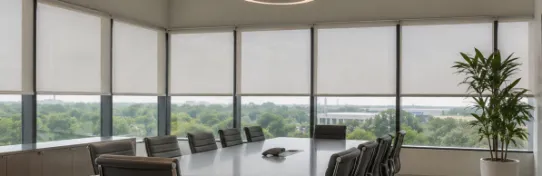
Custom Blinds in Canton, GA: Why Homeowners Choose Professional Installation Over DIY
You can buy a blind kit at almost any home improvement store, cut it down to size, and hang it yourself in an afternoon. Plenty of people do. But if you’ve ever lived with a blind that gaps at the edges, tilts crooked no matter how many times you re-hang the bracket, or sticks halfway up, you already know why so many Canton homeowners eventually call in a professional instead. It usually comes down to one thing: the fit.
This isn’t a knock on anyone’s DIY skills. It’s just that window coverings are one of those projects where the margin for error is smaller than it looks, and a small mistake at the measuring stage turns into a visible problem for years afterward. The rest of this guide walks through what actually goes into getting custom blinds right, room by room, and why that process looks different from picking up a kit at the store.
Why Fit Matters More Than People Expect
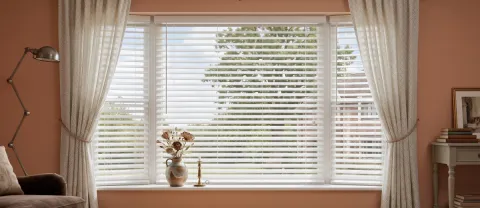
Most windows aren’t as square as they look. Older Canton homes, additions, and even some newer builds can be slightly out of plumb, and a difference of a quarter inch is enough to throw off a DIY measurement. That’s not a knock on anyone’s carpentry skills; it’s just how houses settle over the years. A bay window, a sloped skylight, or a frame that’s a hair wider at the top than the bottom will all fight a stock blind that wasn’t measured for that specific opening.
Alliance Window Coverings has been fitting custom blinds in Canton for more than 25 years, working on everything from single-family homes to offices, schools, and healthcare buildings. That kind of repetition teaches you where the tricky spots usually are, which windows tend to be out of square, which mounting hardware actually holds up over time, and when a “close enough” measurement is going to cause problems six months down the road.
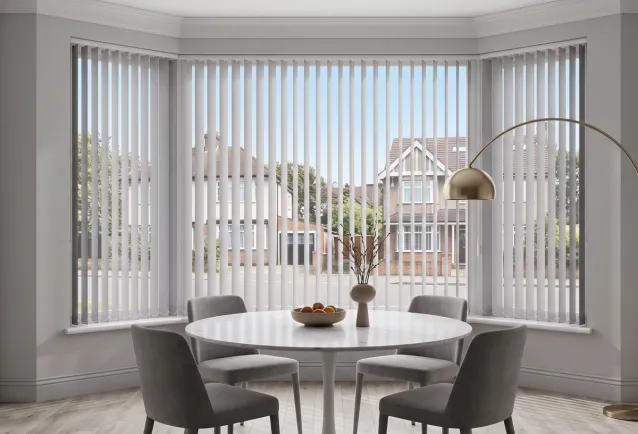
There’s also more going on with a blind than most people realize. A vertical blind system, for instance, comes in standard vane widths of 2”, 3½”, and 5”, with wider 7” options for bigger openings. Picking the wrong width won’t ruin the blind, but it changes how much light comes through and how the whole window looks from the room; a professional will walk you through instead of leaving you to guess.
None of this is about DIY being a bad idea across the board. If you’ve got a single, standard-size window and a straightforward store-bought blind, go for it. The calculation changes once you’re talking about a whole house, a mix of window shapes, or a room where the look actually needs to be right: a living room, a kitchen, anywhere guests spend time. That’s usually where the cost of getting it wrong outweighs whatever you’d save doing it yourself.
Choosing the Right Material for Each Room
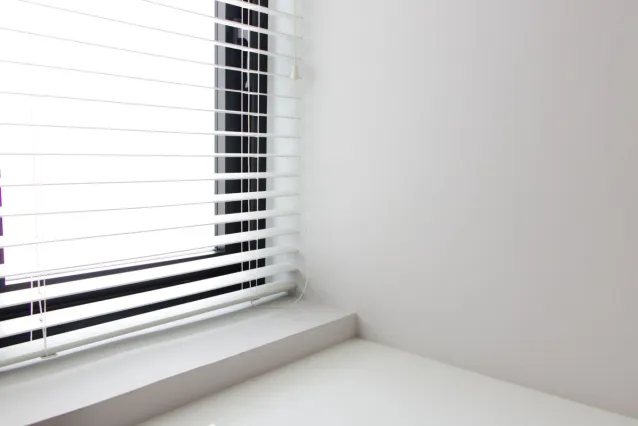
Not every blind belongs in every room. Humidity, sun exposure, and how much traffic a space gets should all factor into the material you pick. Here’s how the main options stack up:
|
Blind Type |
Look & Feel |
Best For |
Watch Out For |
|
1” Aluminum Blinds |
Sleek and modern, wide range of colors |
Homes, offices, schools, commercial spaces |
Nothing major, reliable, low-maintenance choice |
|
Wood Blinds |
Real wood grain, warm and classic |
Living rooms, dining rooms, home offices |
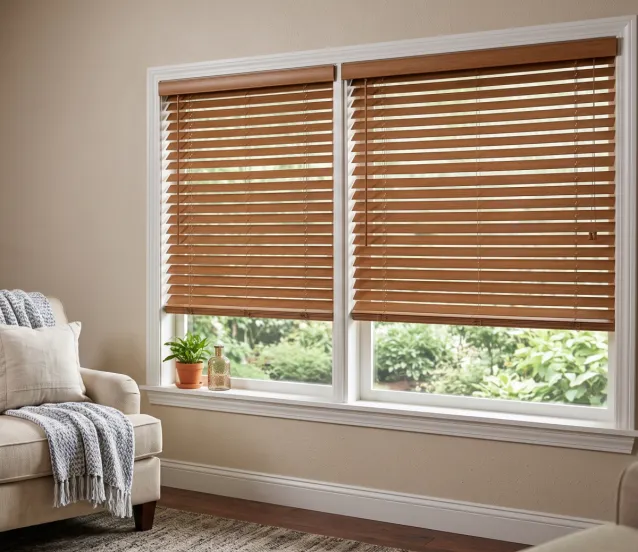
Warps in bathrooms, kitchens, or anywhere humid |
|
Faux Wood Blinds |
Wood look, built from durable polymer |
Kitchens, bathrooms, laundry rooms |
Slightly less “authentic” than real wood, but far more forgiving |
|
Vertical Blinds (Decomatic®) |
Clean vertical lines, adjustable vane widths |
Large windows, sliding doors, bay windows, skylights |
Needs accurate measuring to hang and glide correctly |
If you’re picking blinds for a kitchen or bathroom, faux wood is almost always the smarter call. It looks like real wood but won’t warp the first time steam builds up in the room, a mistake that’s easy to make and expensive to fix later. You can browse the full range of custom blinds options to see what fits your space.
Blinds or Shades, Which One Actually Fits Your Room?
Blinds aren’t the only option, and honestly, they’re not always the right one. Shades tend to work better in rooms where you want softer, more diffused light instead of the more directional control blinds give you.
|
Consideration |
Blinds |
Shades |
|
Light control |
Precise: tilt the slats to aim light exactly where you want it |
Softer, more even filtering across the whole window |
|
Where they shine |
Kitchens, offices, living rooms, bathrooms (faux wood) |
Bedrooms, media rooms, anywhere you want a quieter look |
|
Upkeep |
Occasional wipe-down and re-leveling |
Low-maintenance fabric care |
|
Overall style |
Classic and versatile |
Tailored and contemporary |
Neither one wins outright. It really comes down to how much light control a particular room needs and what look you’re going for.
Who Alliance Window Coverings Actually Works With
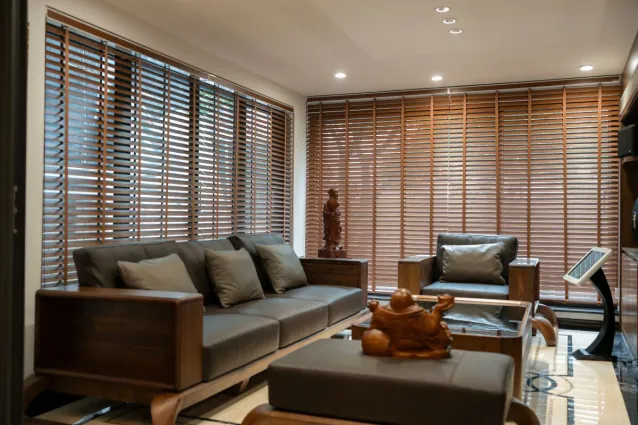
It’s easy to assume a company like this only handles single-family homes, but that’s not really the case. Alliance Window Coverings works with homeowners, yes, but also builders and contractors putting up new construction, property managers overseeing multiple buildings, multi-family communities, schools, and healthcare facilities. That range matters more than it might seem; a company that’s used to coordinating window coverings across dozens of apartment units on a tight construction timeline brings a different level of organization to a single-family home job than a company that’s never handled anything beyond one house at a time.
For homeowners specifically, that translates into a couple of practical advantages: a company that’s already built the systems to manage large, multi-window projects efficiently, and one that isn’t going to be thrown off by a house with an unusual number of windows, mixed window styles, or a whole-house project spanning several rooms.
Motorized Blinds: Worth Considering?
Alliance Window Coverings also offers motorized window treatment solutions alongside standard manual blinds, shades, and shutters. Motorization isn’t necessary for most rooms, but it solves a few specific problems well: windows that are hard to reach, rooms where you want blinds on a schedule for privacy or energy savings, or homes already set up with smart home systems where tying blinds into that setup just makes sense. If that’s something you’re weighing, it’s worth bringing up during your consultation so your installer can tell you which windows in your home are good candidates and which ones don’t really need it.
What a Real Consultation Looks Like
A good consultation isn’t a five-minute walk-through with a tape measure. It’s closer to this:
-
Every window gets measured on its own, width, height, and depth, instead of assuming the rest of the house matches the biggest room.
-
You talk through which material makes sense for each room’s humidity, sunlight, and how it’s actually used day to day.
-
The installer recommends a vane width or slat style based on that window’s size and shape, not a generic default.
-
Mounting gets decided, inside the frame or outside, depending on the window’s depth and trim.
-
Installation gets scheduled, and if you want your old blinds or shades hauled away, that gets handled too.
A few things make this go faster on your end. Clear the windowsills and the area around them so nothing’s in the way. If you already know a room has a specific issue, a nursery that needs cordless options, a kitchen window that gets blasted by afternoon sun, mention it up front so the recommendation actually fits the space. And if you’re doing more than one or two rooms, have a rough sense of your schedule, since bigger jobs are easier to plan around a specific week rather than squeezing them in piecemeal.
Why Veteran-Owned and American-Made Actually Matters Here
When you’re comparing companies, two things are worth asking about: where the product is actually made, and whether the people measuring your windows are the same people who’ll be accountable if something doesn’t fit right. Alliance Window Coverings is a Veteran-Owned company that provides American-made blinds, shades, shutters, and motorized window treatments to homeowners, builders, property managers, and multi-family communities throughout the Canton area. Because the same company handles both the product and the installation, there’s no finger-pointing if a bracket needs adjusting after the fact, it just gets fixed.
It’s also worth asking any installer whether they’re licensed and insured, and whether removing your old blinds is included in the price or billed separately. Those two questions alone will tell you a lot about who you’re hiring.
After Installation: What to Expect Long-Term
Once everything’s up, walk through the house with your installer before they leave. Check that each blind raises, lowers, and tilts without catching, that cords or wands land where you actually want them, and that any motorized units are paired correctly with their remotes.
Day-to-day care is minimal. Aluminum and faux wood blinds wipe clean with a damp cloth. Real wood should be dusted rather than wiped wet, since moisture is still its weak point even after installation. Vertical blind vanes can usually be spot-cleaned right where they hang. If a bracket ever comes loose or a slat needs replacing years down the road, it’s typically a quick fix, especially if the same company that installed it still has your measurements on file.
This is really the part of the process that’s easy to overlook when you’re comparing quotes. A blind that’s installed correctly the first time shouldn’t need much attention for years. The value of professional installation isn’t just how the window looks on day one, it’s not having to think about that window again until you’re ready to redecorate.
Frequently Asked Questions
-
What types of window coverings does Alliance Window Coverings offer?
Blinds, shades, and shutters, available in a range of materials, styles, and colors to fit homes, offices, and other buildings. Everything is made to match the exact dimensions of your space. -
How long does installation actually take?
It depends on the size of the job and how many windows are involved. Your consultant can give you a real timeframe once your windows are measured and you’ve picked your products. -
Will you remove our old blinds or shades?
Yes, that can be included as part of the installation so you’re not stuck dealing with it yourself. -
Can you handle window coverings for a whole building or several properties at once?
Yes, the company regularly works with property managers, builders, and multi-family communities, so a larger job across multiple units or buildings can be coordinated as one project instead of several separate ones. -
Are you licensed and insured?
Yes. -
Do you offer motorized or smart-home compatible blinds?
Yes, motorized window treatment solutions are available alongside standard manual options, for homeowners who want that convenience on select windows or rooms.
Key Takeaways
-
Custom blinds are built to the exact size of each window, which is why they avoid the gaps and crooked hang that come with a trimmed-down, off-the-shelf blind.
-
Vertical blinds come in vane widths from 2” up to 7”, making them a good fit for large windows, sliding doors, and skylights.
-
Faux wood holds up to moisture far better than real wood, so it’s the better call for kitchens and bathrooms.
-
Fit problems show up most on windows that aren’t perfectly square, which is more common than most homeowners assume, especially in older Canton homes.
-
Alliance Window Coverings is veteran-owned, uses American-made products, and installs what it sells, serving homeowners, builders, and property managers across Canton and the surrounding area.
Ready to get your windows measured? Contact Alliance Window Coverings or call (770) 714-4588 to set up a consultation.
About Alliance Window Coverings LLC
Alliance Window Coverings LLC is a veteran-owned window covering company with over 25 years of experience serving homeowners, builders, contractors, property managers, and commercial clients across Canton, GA, and the Atlanta metro area. The company installs custom blinds, shades, shutters, and motorized window treatment solutions, every job measured and installed by trained professionals.
6175 Hickory Flat Hwy, Ste 110-383, Canton, Georgia 30115 Phone: (770) 714-4588 Email: sales@alliancewindowcoverings.com Website: alliancewindowcoverings.com Hours: Mon–Fri 9am–5pm | Sat by appointment.